- March 21, 2026
- 876 Views
- 8 Likes
- PTC Aviation
Flight Attendant Training: Why Confidence Matters in the Aviation Industry
The aviation industry is known for its high standards of professionalism, safety consciousness, and superb passenger service. For aspiring cabin crew members, developing the right personality traits is just as important as learning technical skills. This is why flight attendant training focuses not only on procedures and safety but also on personality development and confidence.
Confidence allows flight attendants to communicate clearly, provide excellent passenger service, and handle unexpected situations calmly. Through structured flight attendant training, aspiring aviation professionals learn how to build the confidence needed to succeed in one of the most competitive industries in the world.
Flight Attendant Training Builds Confidence
One of the most important goals of flight attendant training is helping students develop self-confidence. Airlines look for individuals who can represent their brand professionally while interacting with passengers from diverse backgrounds.
During training, students participate in activities that improve their communication skills, teamwork, and ability to stay composed under pressure. These experiences gradually build the confidence needed to perform effectively as cabin crew members.
The Role of Personality Development in Flight Attendant Training
Personality development is a key component of flight attendant training because airlines value individuals who can create a positive passenger experience. Cabin crew members must be approachable, calm, and professional in every interaction.
Personality development training often includes:
Communication and interpersonal skills
Professional grooming and presentation
Values and Attitude
- Make-up and Grooming
These elements help aspiring flight attendants develop the soft skills that airlines expect from their cabin crew.
Why Confidence Is Important for Cabin Crew
Confidence plays a vital role in the daily responsibilities of cabin crew members. Passengers look to flight attendants for guidance, assistance, and reassurance throughout the flight.
A confident flight attendant can:
Deliver safety demonstrations clearly
Handle passenger concerns professionally
Manage challenging situations calmly
Maintain authority during emergencies
Provide exceptional inflight service
Because of these responsibilities, flight attendant training focuses on developing both competence and confidence.
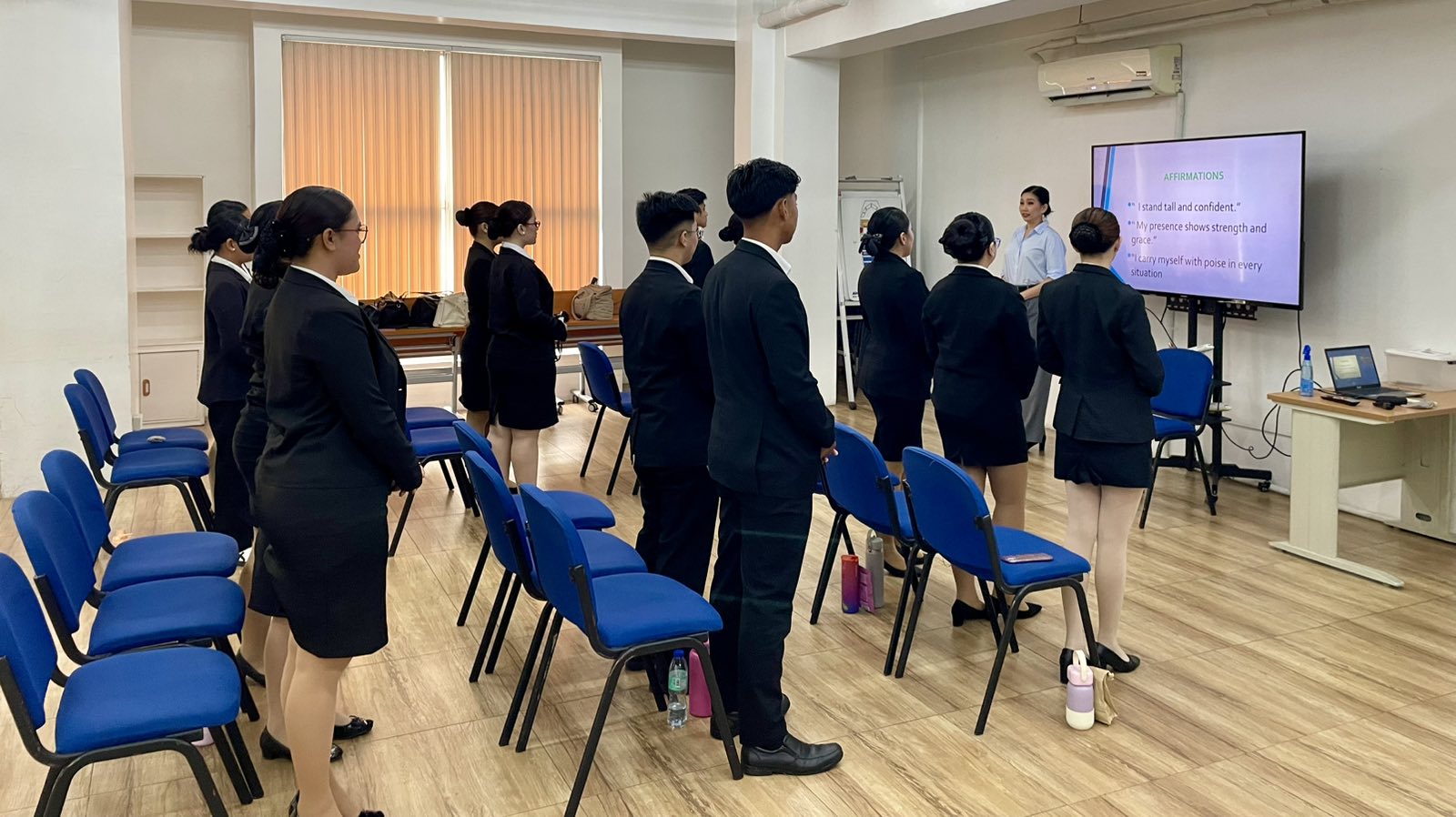
Tisha Hidalgo, PTC Aviation’s Personality Development Specialist, leads the class in building confidence from within.
Hands-On Flight Attendant Training Builds Real Experience
Practical experience is one of the most effective ways to develop confidence.
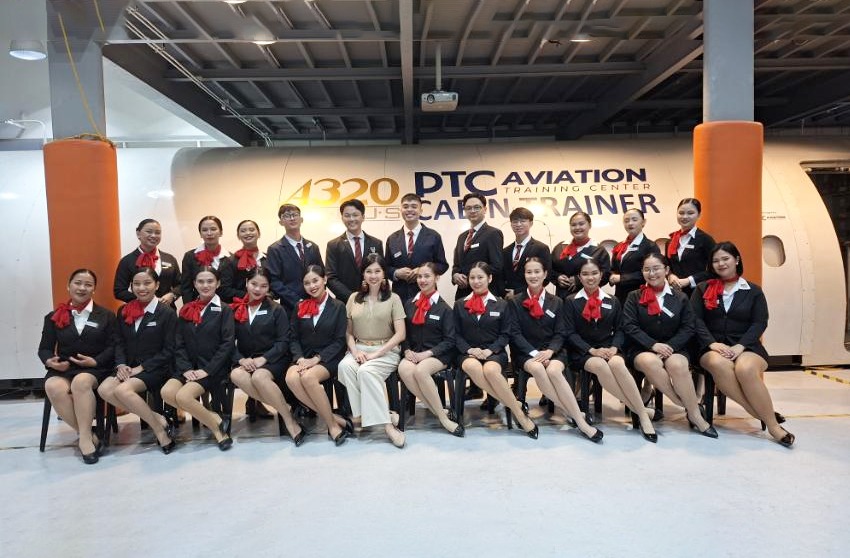
PTC Aviation provides hands-on flight attendant training in an Airbus 320 cabin trainer.
Students practice:
Safety demonstrations
Passenger service procedures
Emergency response scenarios
Cabin communication skills
Training in realistic aviation environments allows aspiring cabin crew to gain valuable experience before pursuing airline careers.
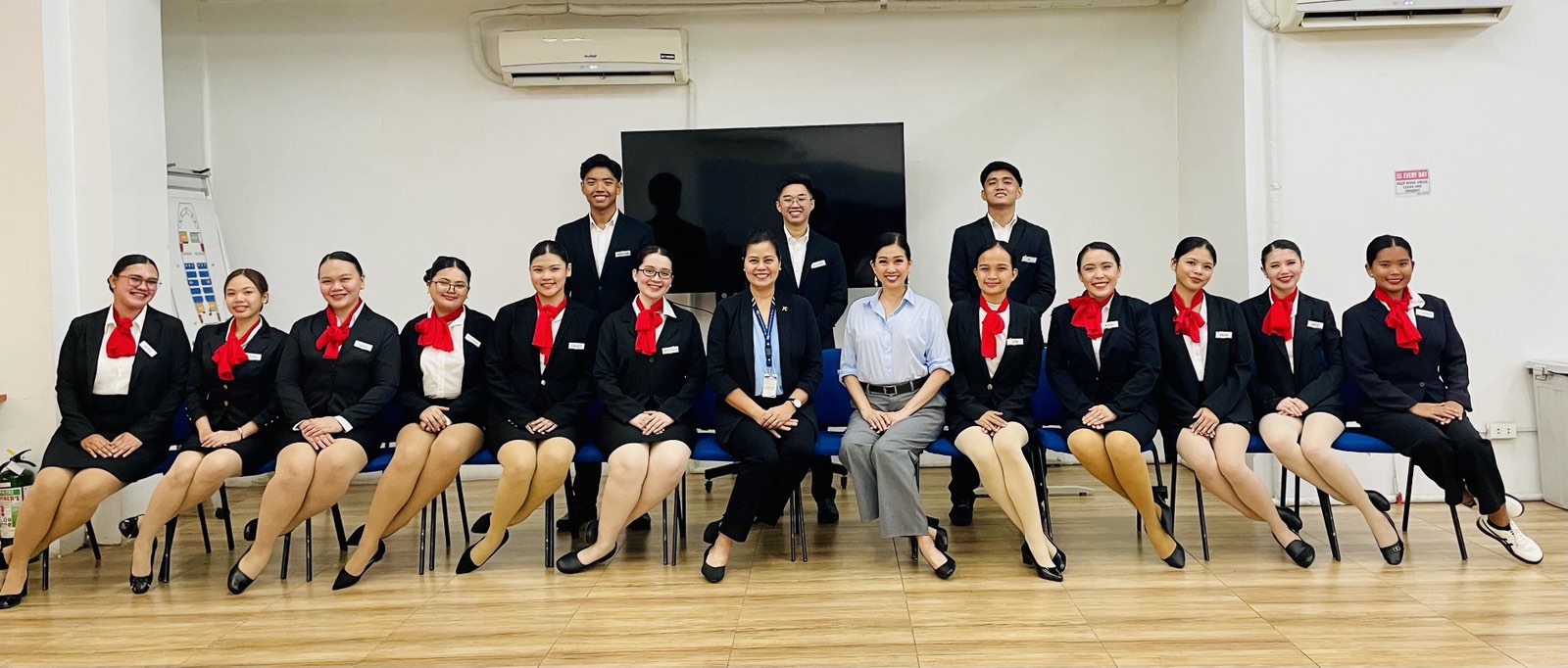
PTC Aviation’s Personality Development Specialists Glenda Nicanor and Tisha Hidalgo never fail to inspire a class of aspiring flight attendants.
Developing Professionalism Through Flight Attendant Training
Professionalism is another important aspect of flight attendant training. Cabin crew members represent their airline at all times, which means they need to maintain a professional appearance, attitude, and behavior.
PTC Aviation’s Flight Attendant Training emphasize:
Professional grooming standards
Positive body language
Effective communication
Teamwork and collaboration
Adaptability in different situations
These qualities help aspiring flight attendants present themselves confidently and professionally.
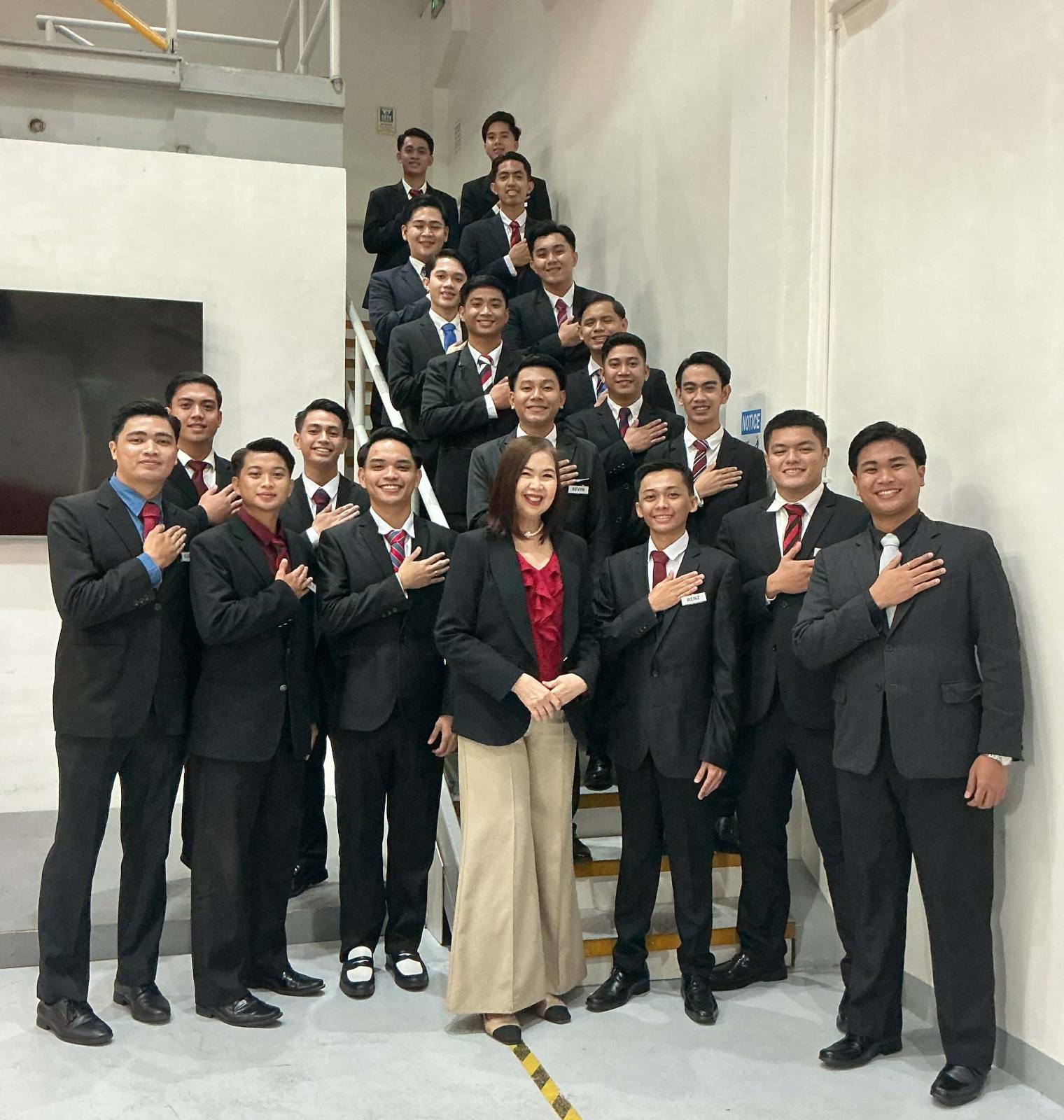
Jen Soller, PTC Aviation’s Male Grooming Specialist, never fails to bring out the best in our gentlemen.
Preparing for a Career in the Aviation Industry
The aviation industry offers exciting opportunities for individuals who are passionate about safety, service, and teamwork.
However, competition for airline positions can be strong. Proper flight attendant training helps aspiring cabin crew develop the skills, knowledge, and confidence needed to stand out.
PTC Aviation’s Flight Attendant Training includes guidance and mentorship from experienced aviation professionals, helping prepare students for the challenges and rewards of the aviation industry.
Conclusion
Confidence is a critical skill for success in the aviation industry. From providing exceptional passenger service to responding effectively during emergencies, confident cabin crew members help ensure both safety and comfort on every flight.
With the right flight attendant training, aspiring aviation professionals can develop the confidence, professionalism, and communication skills needed to pursue a successful career in the skies.
Check out PTC Aviation’s 15-Day Flight Attendant Training Course here!