Flight Attendant Requirements: What Aspiring Cabin Crew Need to Know
Below are the essential flight attendant requirements most airlines consider:
Educational Background
One of the most common misconceptions is that you need a specific college degree to become a flight attendant.
The truth is, airlines generally accept applicants from various academic backgrounds. Whether you graduated in tourism, hospitality, business, education, or another field, what matters more is how well you present yourself and demonstrate the right skills during the hiring process.
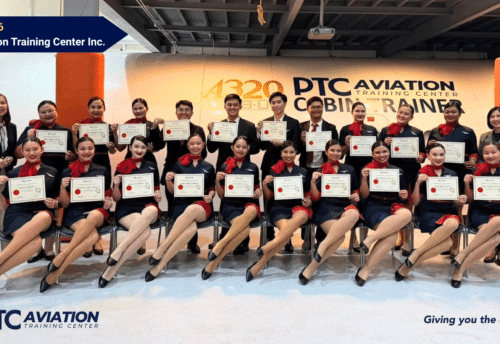
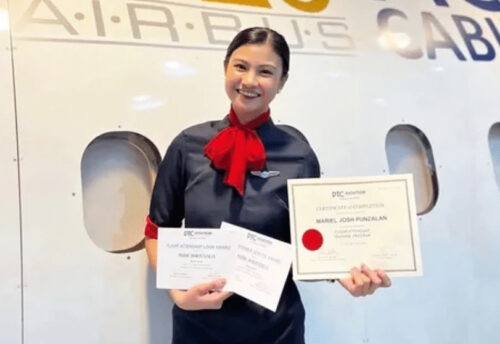
Many aspiring cabin crew applicants strengthen their credentials by enrolling in aviation training programs to gain industry-specific knowledge and practical exposure.
Strong Communication Skills
Flight attendants are responsible for delivering safety instructions clearly and assisting passengers professionally.
This means airlines highly value applicants who can:
- Speak confidently
- Communicate clearly
- Handle customer concerns calmly
- Deliver announcements effectively
At the PTC Aviation, students get to experience a fun and immersive speech enhancement class that not only allows them to deliver appropriate customer service spiels but also standard announcements such as the safety demonstration.
Excellent English proficiency is often an advantage, especially for international airlines.
Professional Appearance and Grooming
A polished appearance is a major part of cabin crew professionalism.
Airlines typically look for candidates who:
- Maintain neat grooming
- Present themselves professionally
- Follow appearance standards
- Carry themselves with confidence
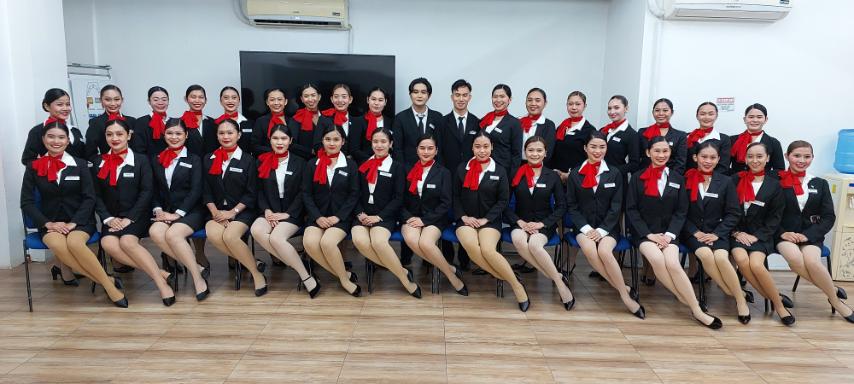
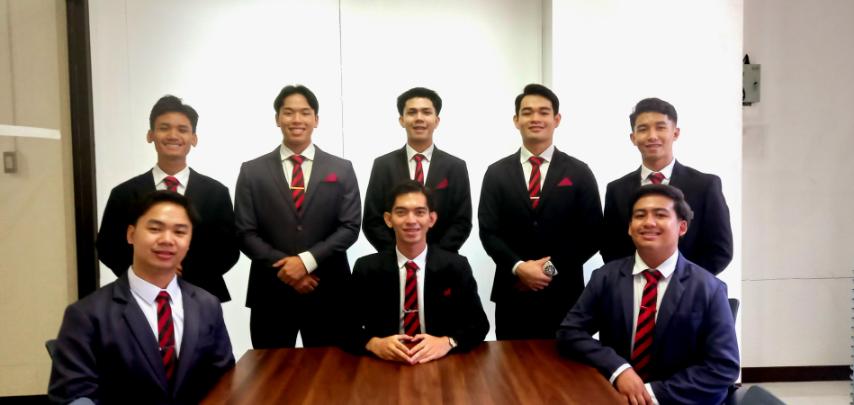
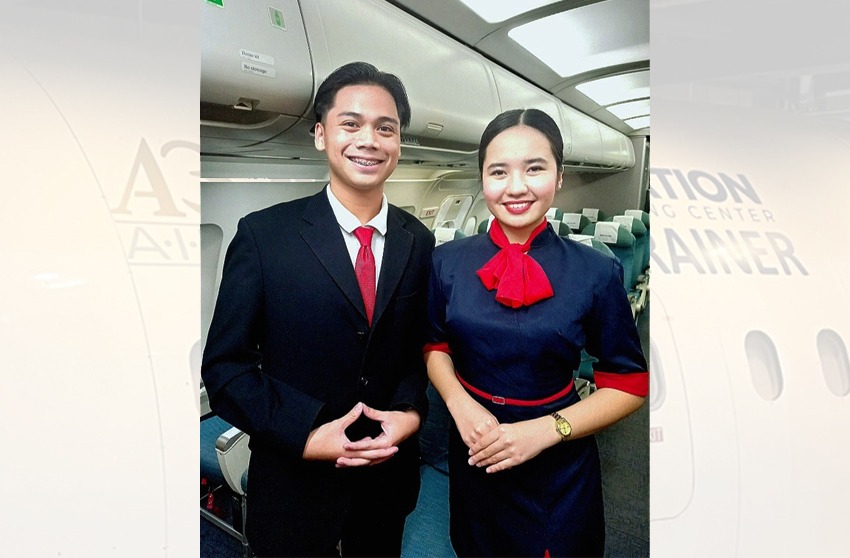
Beyond physical appearance, this reflects discipline, attention to detail, and readiness to represent the airline’s brand.
Customer Service Mindset
Flight attendants are first and foremost service professionals.
Airlines prefer applicants who show:
- Empathy
- Patience
- Problem-solving skills
- A positive attitude under pressure
Experience in customer service, hospitality, or public-facing roles can be a strong advantage during applications.
Physical Fitness and Medical Readiness
Cabin crew work can be physically demanding.
Flight attendants often need to:
- Stand for long hours
- Assist passengers
- Respond quickly during emergencies
- Operate safety equipment
Many airlines also require applicants to meet medical fitness standards and basic swimming competency for emergency preparedness.
Confidence During Interviews
Meeting the basic qualifications is only part of the process.
Recruitment often includes:
- Initial screening
- Group assessments
- Interviews
- Role-play scenarios
Confidence, composure, and professionalism can make a huge difference. Many successful applicants spend time practicing interview responses, improving posture, and learning how to present themselves effectively.
At PTC Aviation Training Center, students are immersed in mock interviews where they can practice introducing themselves and answering questions.